Wine Tour Sonoita: A Comprehensive Exploration
Introduction
Welcome to an immersive journey into the world of wine tourism, specifically focusing on the unique phenomenon known as “Wine Tour Sonoita.” This term encapsulates a specialized form of travel that allows enthusiasts to explore and immerse themselves in the art and culture surrounding fine wines. It offers a sensory experience like no other, combining gastronomy, history, and viticulture. In this article, we will delve into every aspect of Wine Tour Sonoita, from its definition and historical roots to its global impact, technological innovations, and future prospects. Get ready to uncover the secrets behind this captivating industry and discover why it has become a significant player in the travel and hospitality sector.
Understanding Wine Tour Sonoita: Unveiling Its Essence
Definition: Wine Tour Sonoita, in its essence, is an immersive travel experience centered around wine. It involves visitors engaging with wineries, vineyards, and related cultural activities to gain a deeper understanding of wine production, history, and regional identity. This concept goes beyond mere tourism; it fosters a connection between travelers and the local viticultural heritage.
Core Components:
- Winery Visits: The heart of any Wine Tour Sonoita experience lies in visiting wineries, where guests can tour the vineyards, learn about grape varieties, and observe the winemaking process. Tastings of various wines are often part of this experience.
- Cultural Immersion: It includes exploring regional history, art, and cuisine. This could involve visits to local museums, participating in culinary workshops, or attending cultural events that showcase the area’s unique traditions.
- Nature Appreciation: Many tours emphasize the natural beauty surrounding vineyards, offering hikes, scenic drives, or simply moments to appreciate the lush landscapes.
- Education: Educational elements are key, providing insights into viticulture, enology (wine science), and the history of wine production in the region.
Historical Context: The concept of wine tourism has evolved over centuries, dating back to ancient times when grapes were cultivated for both food and wine. However, its modern iteration as a specialized travel niche emerged in the late 20th century. With growing global interest in fine wines and culinary experiences, wineries started inviting visitors for tours and tastings. The term “Wine Tour Sonoita” gained popularity as an organized travel concept in the early 21st century, catering to wine enthusiasts seeking authentic, immersive experiences.
Significance: Wine Tour Sonoita holds immense importance for several reasons:
- Preservation of Cultural Heritage: It promotes the preservation and celebration of regional viticultural traditions, ensuring that local knowledge and practices are passed down to future generations.
- Economic Boost: This form of tourism contributes significantly to local economies by attracting visitors and creating employment opportunities in hospitality, agriculture, and related industries.
- Education and Awareness: It educates tourists about the art of winemaking, sustainable farming practices, and the environmental significance of vineyards, fostering a deeper appreciation for these ecosystems.
- Personalized Travel Experience: Wine enthusiasts can customize their trips, exploring specific regions or grape varieties that interest them most, making it a highly personalized travel genre.
Global Impact and Trends
The global wine tourism industry has witnessed tremendous growth, with Wine Tour Sonoita playing a pivotal role in this expansion. Here’s an overview of its international influence:
| Region |
Notable Features |
Attractions for Wine Tour Sonoita |
| France (Bordeaux) |
Renowned wine region with diverse terroirs |
Chateau visits, blending workshops, Bordeaux wine train tours |
| Italy (Tuscany) |
Historic center for Chianti and Super Tuscan wines |
Vineyard-to-table dining, historic castle stays, wine-paired cooking classes |
| California (Napa Valley) |
Pioneer in luxury wine tourism |
Helicopter wine tours, luxury resort stays, exclusive vertical tastings |
| Australia (Barossa Valley) |
Home to oldest continuously operating winery in Australia |
Horseback riding through vineyards, German heritage tours, family-owned winery visits |
| Spain (Rioja) |
Tradition and innovation merge in Rioja wines |
Walk through historic cellars, meet winemakers, Rioja wine and food pairings |
Key Trends:
- Sustainability Focus: Many wineries are promoting sustainable practices, attracting environmentally conscious travelers. Organic farming, biodynamic methods, and eco-friendly tourism initiatives are gaining popularity.
- Luxury Experiences: High-end tours offer luxury accommodations, gourmet dining, and exclusive access to rare wines, catering to affluent wine enthusiasts.
- Personalized Itineraries: Tour operators tailor experiences based on individual preferences, allowing guests to explore specific grape varieties or regions of interest.
- Digital Engagement: Virtual tours and online wine education platforms have seen a surge in popularity, especially during the COVID-19 pandemic, enabling remote engagement with wineries.
Regional Variations: Different regions offer unique twists on Wine Tour Sonoita:
- France: Known for its traditional chateau visits and formal wine tastings, France also offers modern experiences like wine-focused culinary classes and urban wine tours in Paris.
- Italy: Tuscan wine tours often include stays in historic villas, cooking classes with local chefs, and exploring the region’s rich art history.
- California: Napa Valley is famous for luxury resorts, helicopter tours, and exclusive tastings at renowned wineries.
- Australia: The Barossa Valley showcases family-owned wineries, historic castle stays, and cultural heritage tours influenced by German immigration.
- Spain: Rioja offers a blend of traditional and modern experiences, including visits to ancient cellars and innovative wineries.
Technological Innovations
Technology has revolutionized Wine Tour Sonoita, enhancing visitor experiences and streamlining operations for tour operators:
- Online Booking Platforms: Travel websites and apps allow visitors to book tours, compare prices, and read reviews, making planning easier.
- Virtual Tours: During the pandemic and for remote enthusiasts, virtual winery tours and 360-degree videos offer a taste of the experience without travel.
- Wine Education Apps: Mobile applications provide interactive wine education, allowing users to learn about different grape varieties, regions, and tasting techniques on the go.
- Augmented Reality (AR) Experiences: Some wineries are incorporating AR into tours, providing additional insights and storytelling during tastings.
- Sustainable Tracking: Technology is used to monitor sustainable practices, helping tourists make eco-conscious choices.
Education and Sustainability in Wine Tourism
Wine Tour Sonoita has evolved beyond mere pleasure seeking; it now places a strong emphasis on education and sustainability:
- Winery Education: Many wineries offer workshops and presentations on viticulture, enology, and sustainable farming practices, ensuring visitors gain valuable knowledge.
- Environmental Awareness: Tours often highlight the ecological role of vineyards, including habitat preservation for local wildlife and soil management techniques.
- Regional History: Educational elements include historical tours, visits to cultural sites, and lectures by local experts, providing a well-rounded understanding of the region’s identity.
- Sustainability Initiatives: Some tour operators partner with wineries committed to organic practices, carbon footprint reduction, and fair trade, promoting responsible tourism.
Future Prospects and Challenges
The future of Wine Tour Sonoita looks promising, but it also faces challenges:
Opportunities:
- Expanding Global Reach: With growing interest in sustainable and luxury travel, the market is poised for expansion in emerging wine regions.
- Digital Integration: Technology will continue to play a vital role, offering immersive digital experiences for remote enthusiasts and enhancing on-site interactions.
- Personalized Experiences: Customization will remain a key trend, allowing travelers to design tours around their specific interests.
- Sustainability as a Selling Point: Increasingly conscious consumers will seek out sustainable wine tourism options.
Challenges:
- Seasonality and Weather: Wine regions have distinct seasons, which can impact tour availability and experiences, requiring flexible planning.
- Crowd Management: Popular destinations may face challenges in managing visitor numbers to ensure a quality experience and preserve local environments.
- Cost Considerations: Luxury tours can be expensive, limiting accessibility for some travelers.
- Regulatory and Environmental Concerns: Wineries must adhere to strict regulations regarding waste management, water usage, and chemical use, which can impact tour operations.
Conclusion: Elevating the Travel Experience
Wine Tour Sonoita has transformed travel by offering a sensory journey that engages all aspects of wine culture. It provides an immersive, educational experience that goes beyond traditional tourism, fostering a deeper connection with destination regions. With global appeal and a focus on sustainability and personalization, this industry is poised for continued growth. As technology advances, the future of Wine Tour Sonoita promises even more innovative ways to explore and celebrate the world’s finest wines.
Strategize your wine tour Sonoita schedule for optimal experiences. Consider peak hours, book with local experts, leave buffer time, and embrace flexibility for a seamless, memorable journey through Sonoita's diverse wine offerings.
The Arizona wine country, particularly Sonoita, has emerged as a premier destination for oenophiles, drawing visitors eager to embark on immersive wine tours. Optimizing tasting schedules is paramount to maximizing the experience, ensuring guests can savor each vineyard’s unique offerings without the hassle of timed transport. This article delves into the challenge of coordinating wine tour sonoita naturally, offering insights into how strategically scheduled shuttle departures can transform the visitor journey, enhancing overall satisfaction and creating a seamless, memorable experience for all who seek to explore Sonoita’s vibrant wine scene.
Planning Your Wine Tour Sonoita: Timed Departures for Optimal Tasting
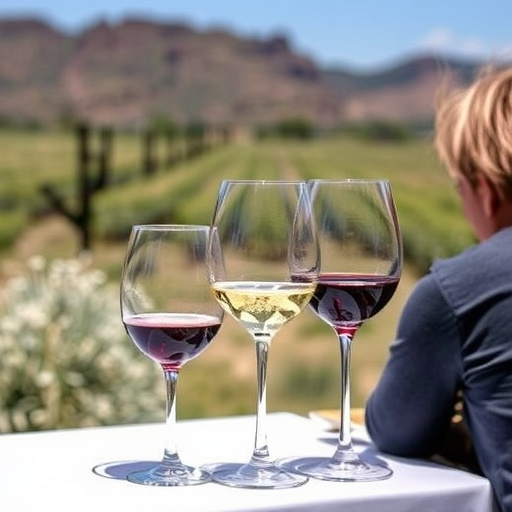
Planning your wine tour Sonoita involves a careful dance between enjoying each vineyard’s unique offerings and navigating your limited time effectively. Timed shuttle departures play a pivotal role in optimizing your tasting schedule, ensuring you savor the essence of each winery while adhering to your tour timeline. Consider that a typical wine tour involves visiting multiple locations within a finite window, requiring strategic timing to avoid long waits between tastings and maximize exposure to diverse wines.
Shuttle schedules should be designed with an understanding of peak hours at each vineyard. For instance, popular times like weekends or holiday seasons may necessitate earlier departures to secure spots. Conversely, quieter weekdays offer opportunities for later starts, allowing a more relaxed pace. Experts recommend leaving ample buffer time between stops to account for travel distances and potential delays, preventing rushed tastings. This strategic approach enables you to create a personalized itinerary that balances quality experience with timely execution.
Imagine your wine tour Sonoita as a symphony of experiences, where each winery contributes a unique movement. Optimizing departures allows you to listen intently to the flavors at each stop without feeling hurried. Consider booking tours with operators who offer this nuanced planning, ensuring your journey through Sonoita’s vibrant wine scene is both memorable and well-paced. By embracing timed departures, you’ll not only enhance your overall experience but also cultivate a profound appreciation for the art of wine and the science of timing.
Strategizing Schedules: Maximizing Wine Experiences in Sonoita
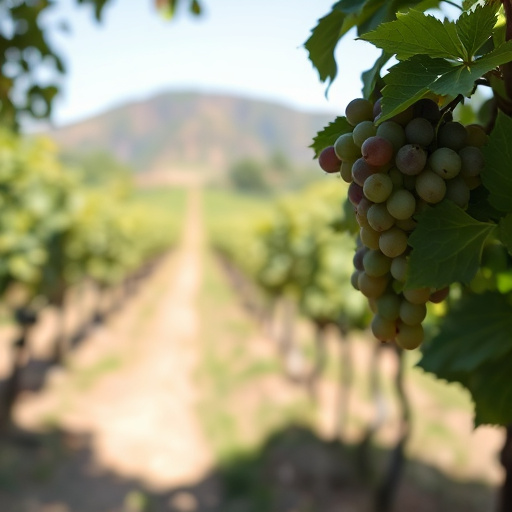
Strategizing wine tour sonoita schedules is an art that can elevate the overall experience for visitors to this vibrant wine region. In Sonoita, with its diverse microclimates and a wide array of wineries, optimizing departure times is key to making the most of a tasting itinerary. The goal is to create a balanced schedule that allows ample time at each winery while considering travel distances and potential traffic, ensuring guests don’t miss out on any unique offerings.
A practical approach involves understanding the peak hours at different wineries. For instance, during summer weekends, popular estates can attract long lines for tastings. Scheduling departures early in the day or later in the afternoon allows visitors to avoid crowds and enjoy more personalized experiences. Additionally, some wineries offer exclusive events or reserve certain timeslots for private tours, which can be incorporated into the itinerary for a truly special occasion. By being strategic with departure times, wine enthusiasts can naturally flow from one winery to another, creating a seamless and memorable journey through Sonoita’s wine country.
For an enhanced experience, consider booking tours with local experts who can provide insights into not just the best wines but also the hidden gems in each winery’s collection. These guides often have access to exclusive experiences and can tailor schedules based on individual preferences, ensuring every moment is maximized. Moreover, staying flexible with departure times enables visitors to adapt to unexpected delights, such as a delightful wine-pairing lunch or an impromptu conversation with a winemaker, all part of the natural flow of a well-strategized wine tour sonoita itinerary.
Planning a wine tour in Sonoita requires strategic scheduling to optimize tasting experiences. By incorporating timed shuttle departures, visitors can maximize their time, ensuring they enjoy each vineyard at its peak. This article has provided valuable insights into navigating the labyrinthine wine scene of Sonoita, offering practical tips for creating a symphony of tastings that cater to various preferences and schedules. Readers now possess the tools to embark on a seamless and memorable wine tour, making the most of every moment in this vibrant, bustling destination—all thanks to strategic timed shuttle departures.