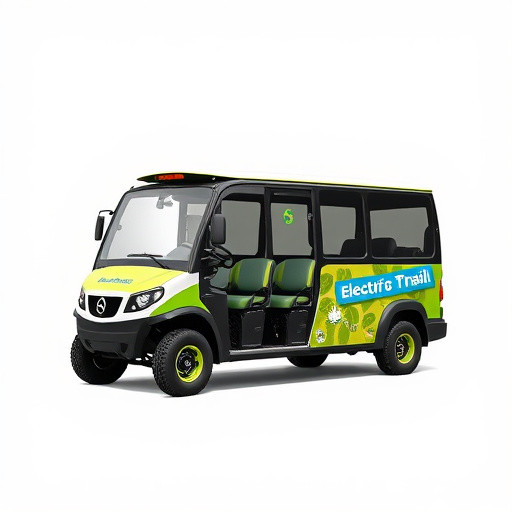
The Sonoita Wine Trail introduces wine tour sonoita naturally, transitioning to an electric shuttle fleet to reduce greenhouse gas emissions by up to 50%, enhance visitor experiences, and support sustainable transportation. This move aligns with global efforts to cut carbon emissions in wine regions by up to 30% through EV adoption. Strategic planning, including charging stations, renewable energy partnerships, smart routing, and incentives, makes this transition financially viable, positioning Sonoita as a model for sustainable tourism.
The wine industry, renowned for its allure and sustainability efforts, faces a significant challenge: reducing carbon footprints while enhancing tourist experiences. In the heart of Sonoita, a premier wine tour destination known naturally for its vibrant ecosystem, the introduction of electric shuttle fleets emerges as a groundbreaking solution. This innovative approach aims to mitigate environmental impact without compromising the essence of wine trail adventures. By examining the implementation and outcomes, we offer valuable insights into how this initiative redefines sustainable tourism, providing both ecological benefits and enhanced guest experiences in this picturesque setting.
- Electric Shuttles Replace Gas-Powered Vehicles on Wine Tour Sonoita Naturally
- Reducing Carbon Footprints: The Impact of an Electric Shuttle Fleet on Sonoita Wine Trail Sustainability
Electric Shuttles Replace Gas-Powered Vehicles on Wine Tour Sonoita Naturally
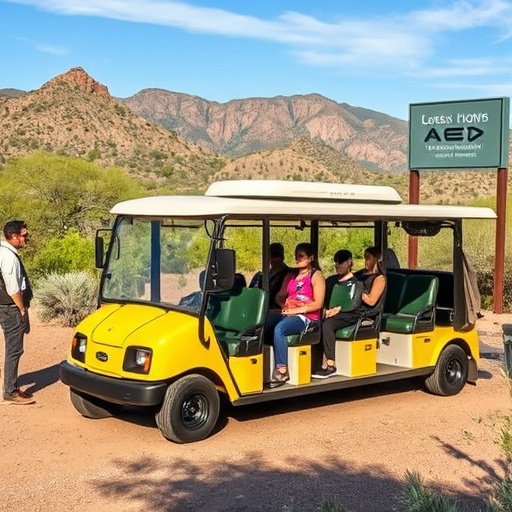
In an effort to reduce its carbon footprint and promote sustainable practices, the Sonoita Wine Trail has made a significant step by transitioning from gas-powered vehicles to an electric shuttle fleet for wine tours. This initiative aligns with the region's commitment to preserving its natural environment while enhancing the overall visitor experience. By adopting electric shuttles on wine tour sonoita naturally, the trail not only minimizes emissions but also offers several practical benefits.
The shift to electric transportation has resulted in a notable decrease in greenhouse gas emissions, contributing to Sonoita's goal of becoming a more eco-friendly destination. According to recent studies, traditional gas-powered vehicles emit up to 50% more carbon dioxide per mile compared to their electric counterparts. By replacing these vehicles, the wine trail is effectively reducing its environmental impact, setting an example for other tourism sectors to follow. Moreover, electric shuttles provide a quieter and smoother ride, allowing visitors to fully immerse themselves in the scenic beauty of Sonoita's vineyards and enjoy the wine-tasting experience without distraction.
Practical considerations also played a pivotal role in this decision. Electric shuttles require less maintenance than their gas-powered counterparts, reducing operational costs for the trail. Additionally, with advancements in battery technology, these vehicles offer longer ranges per charge, ensuring efficient operations throughout the day. To ensure a successful transition, the wine trail invested in state-of-the-art charging infrastructure, strategically placed along the tour routes. This enables quick charging times, minimizing any potential disruptions to the wine tour sonoita naturally schedule. As a result, visitors can enjoy seamless, emission-free transportation while exploring the region's renowned wineries and vineyards.
Reducing Carbon Footprints: The Impact of an Electric Shuttle Fleet on Sonoita Wine Trail Sustainability
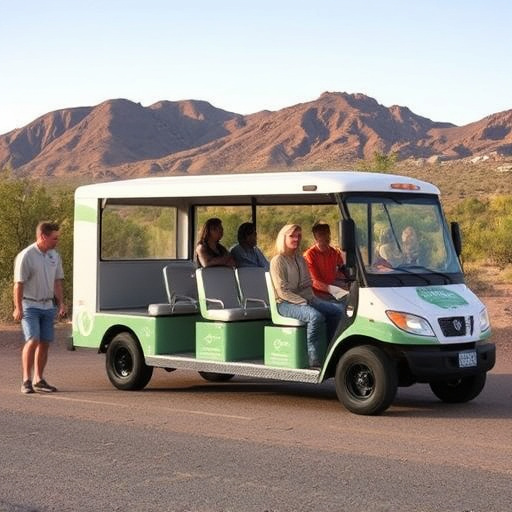
The transition to an electric shuttle fleet offers a significant opportunity for the Sonoita Wine Trail to reduce its carbon footprint and enhance sustainability. This initiative aligns with the global push towards greener transportation options, particularly in tourism sectors known for their environmental impact, such as wine tours in Sonoita naturally. Traditional gas-powered vehicles contribute substantially to greenhouse gas emissions, exacerbating climate change and local air pollution. By adopting electric shuttles, the trail can significantly decrease these emissions, fostering a more sustainable ecosystem for both the surrounding environment and the businesses operating within it.
A study conducted by the University of California revealed that wine regions worldwide could collectively reduce carbon emissions by up to 30% through the widespread adoption of electric vehicle (EV) technology. This reduction is achievable due to EVs' efficiency in converting energy into power, coupled with the potential for renewable energy sources to charge these vehicles, further minimizing their environmental impact. In the context of Sonoita, an electric shuttle fleet could replace hundreds of gallons of gasoline annually, leading to a substantial decrease in carbon dioxide emissions. For instance, if each daily shuttle run is replaced by an EV, the trail could avoid emitting several tons of CO2 per year, contributing to global efforts to mitigate climate change.
Implementing an electric shuttle system requires strategic planning and investment. Wine tour operators should consider partnering with local authorities and renewable energy providers to install charging stations along the trail. Incentives, grants, and tax credits for adopting EV technology can also play a pivotal role in making this transition financially feasible. Moreover, leveraging smart routing algorithms for these shuttles can optimize energy usage and reduce waiting times, ensuring efficient operations without compromising sustainability. By embracing these measures, the Sonoita Wine Trail can serve as a model for sustainable tourism, attracting environmentally conscious visitors while fostering a healthier, more vibrant future for the region.
The transition to electric shuttle fleets on the Sonoita Wine Trail, as explored in this article, presents a compelling strategy for reducing carbon footprints and enhancing sustainability in the wine tourism sector. By replacing gas-powered vehicles with electric alternatives, wine tour sonoita naturally can significantly lower greenhouse gas emissions and contribute to a greener future. The key insights reveal that such initiatives not only benefit the environment but also enhance visitor experiences through quieter, more efficient transportation. Looking ahead, adopting electric shuttle fleets is a practical step towards achieving sustainability goals, setting a positive example for eco-conscious travel, and ensuring the trail's longevity for future generations of wine enthusiasts.