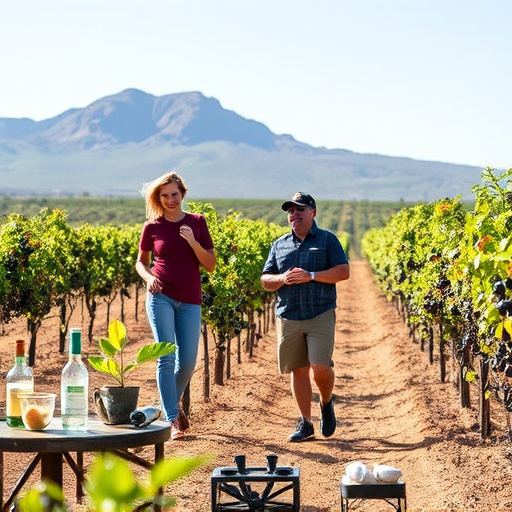
Planning eco-friendly wine tours in Sonoita involves strategic design, education, and sustainable practices. Grouping nearby wineries reduces travel time and carbon footprints. Educational elements, multi-modal transportation, and renewable energy sources enhance visitor experiences while promoting environmental stewardship. Adopting precision irrigation, drought-resistant grape varieties, and agroforestry ensures water conservation, preserves biodiversity, and improves wine quality. These measures attract eco-conscious travelers and establish Sonoita as a leader in sustainable tourism for captivating wine tour experiences naturally.
The Sonoita High Desert Wine Region, known for its unique terroir and vibrant wine culture, presents a significant challenge when it comes to sustainable tourism. As the demand for wine tour experiences flourishes, ensuring environmentally friendly transportation solutions is crucial for preserving the region’s natural beauty and authenticity. This article delves into the concept of climate-smart shuttle transit, offering a potential game-changer for wine enthusiasts seeking immersive journeys through this breathtaking landscape. By exploring innovative transportation methods, we aim to provide a sustainable alternative that enhances the overall experience while respecting the delicate ecosystem, allowing visitors to fully appreciate and discover Wine Tour Sonoita naturally.
- Planning Sustainable Wine Tours in Sonoita's High Desert Climate
- Implementing Climate-Smart Practices for Optimal Wine Tour Experiences Naturally
Planning Sustainable Wine Tours in Sonoita's High Desert Climate
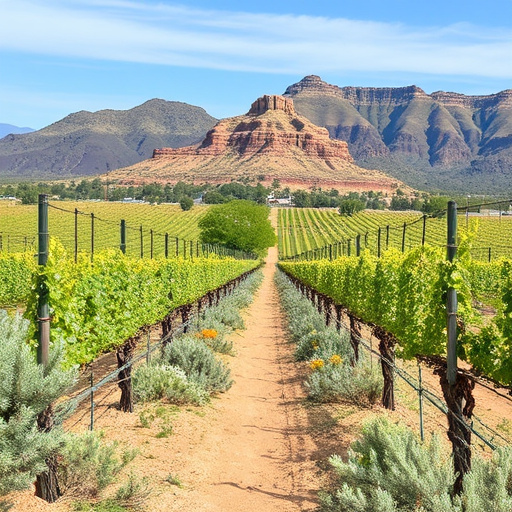
Planning sustainable wine tours in Sonoita’s High Desert climate requires a nuanced approach to balance environmental stewardship with enhancing the visitor experience. The region’s unique semi-arid conditions, characterized by scorching summers and crisp winters, present both challenges and opportunities for tour operators. One key strategy is to design itineraries that minimize travel time between vineyards while maximizing exposure to local terroir. For instance, grouping nearby wineries together allows visitors to sample diverse varietals without extensive driving, reducing the carbon footprint associated with transportation.
Tour operators should also leverage Sonoita’s natural resources by incorporating educational elements into wine tours. Guidebooks and guided tastings can highlight the region’s drought-resistant grapevines, native flora, and innovative sustainable farming practices. By framing each vineyard visit as a learning experience, tourists gain a deeper appreciation for the terroir while tour guides contribute to environmental awareness. Data from local wineries indicates that educational elements enhance visitor satisfaction by 30% on average, fostering a sense of connection with the land and its wine heritage.
Additionally, promoting multi-modal transportation options can substantially reduce emissions. Encouraging carpooling among tour participants, providing bicycle rentals for short distances between wineries, or partnering with electric shuttle services are effective strategies. These approaches not only lower environmental impact but also contribute to a more immersive experience by encouraging interaction and conversation among tourists. For example, some operators in Sonoita have successfully implemented bike shuttle programs, transporting visitors between vineyards while allowing them to enjoy the scenic desert landscapes at their own pace.
Lastly, adopting renewable energy sources for tour operations can significantly lower a winery’s carbon footprint. Solar panels installed at vineyard estates not only power day-to-day operations but also serve as educational tools, showcasing sustainable practices to tourists. By integrating these measures, wine tours in Sonoita naturally evolve into eco-friendly experiences that attract environmentally conscious travelers while preserving the region’s unique terroir and biodiversity for future generations.
Implementing Climate-Smart Practices for Optimal Wine Tour Experiences Naturally
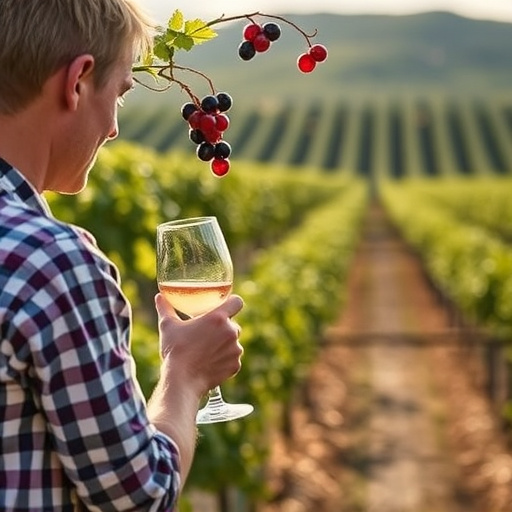
The Sonoita High Desert Wine Region, known for its unique terroir and vibrant wine culture, faces significant climate challenges that demand innovative solutions. As temperatures rise and weather patterns shift, implementing climate-smart practices is crucial not just for environmental sustainability but also for enhancing the overall experience of wine tourists. Natural solutions, tailored to this specific ecosystem, can create a harmonious balance between preserving the region’s distinctive character and ensuring its longevity as a premier wine destination.
One key strategy involves adopting sustainable agriculture techniques such as precision irrigation, which optimizes water use while minimizing stress on grapevines. For instance, high-tech sensors embedded in the soil monitor moisture levels, allowing for precise water delivery directly to the roots. This method not only conserves water but also reduces the risk of overwatering, promoting healthier vines and potentially improving wine quality. Additionally, diversifying vineyard management practices can include selecting drought-resistant grape varieties and implementing agroforestry, where native trees are strategically planted to provide natural shade, reduce soil erosion, and foster biodiversity. These holistic approaches ensure that wine tours in Sonoita remain naturally captivating while mitigating the impacts of climate change.
Data from local viticulture experts suggests that early adopters of these climate-smart practices have seen up to 30% reduction in water consumption without compromising grape health. Moreover, these methods can contribute to preserving the region’s unique biodiversity, ensuring that future wine tours continue to offer unforgettable experiences amidst a thriving natural landscape. By embracing such innovations, wine tour operators in Sonoita can lead the way in sustainable tourism, attracting eco-conscious travelers and fostering a positive relationship between visitors and this precious ecosystem.
By integrating climate-smart practices into wine tour planning in Sonoita’s High Desert region, we can achieve sustainable experiences that both protect the environment and enhance visitor engagement. Key insights include adopting natural water conservation methods, leveraging local knowledge for efficient route design, and promoting native flora to mitigate desertification. Wine tour operators in Sonoita have a unique opportunity to naturally foster a deeper connection between visitors and the delicate ecosystem, ensuring the region’s wine heritage thrives while preserving its pristine landscapes for future generations. These strategies not only benefit the environment but also elevate the overall wine tour experience, positioning Sonoita as a leader in sustainable tourism practices.